
Assembling a difficult 3D puzzle can be a real head - scratcher, but it's also an incredibly rewarding experience. As a 3D puzzles supplier, I've seen all sorts of puzzles, from super easy ones to the mind - bogglingly hard ones. In this blog, I'm gonna share my tips on how to tackle these tough 3D puzzles.
1. Choose the Right Puzzle
It's super important to pick the right puzzle for your skill level. If you're new to 3D puzzles, starting with a simple one is a good idea. But if you're up for a challenge, these are some great options:
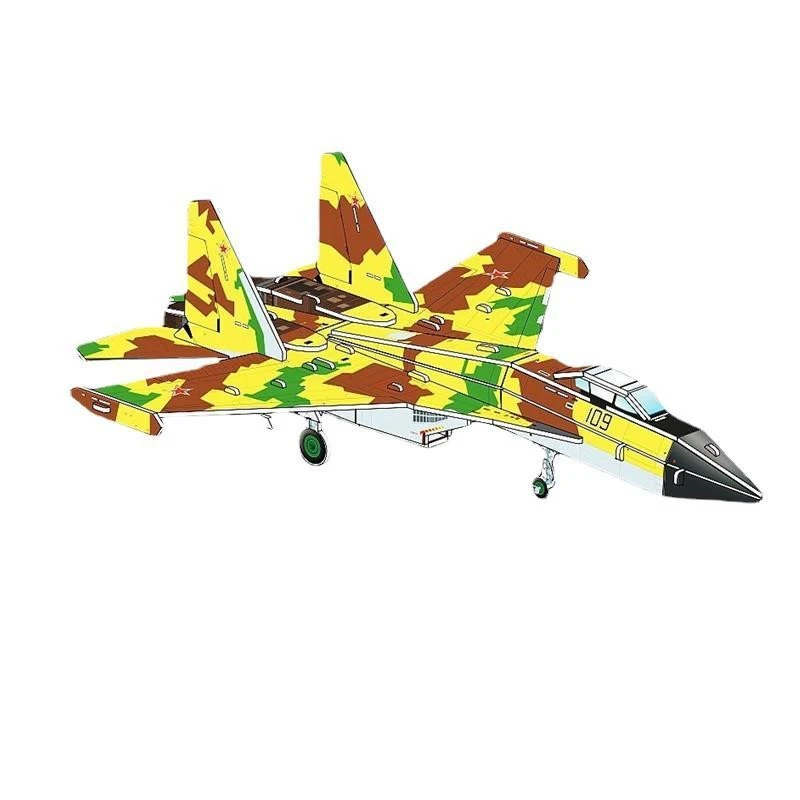
- 3D Puzzle Airplane Model: This one's a classic. The airplane has a lot of small parts and complex structures, which can really test your patience and dexterity.
- Creative 3D House Puzzle: Assembling a house requires you to pay attention to details like the layout of the rooms and the placement of the roof. It's not just about putting pieces together; it's about creating a realistic mini - house.
- Full Color Sailboat 3D Puzzle: The sailboat has lots of sails, ropes, and a detailed hull. Fitting all these pieces together to make a beautiful sailing vessel is no small feat.
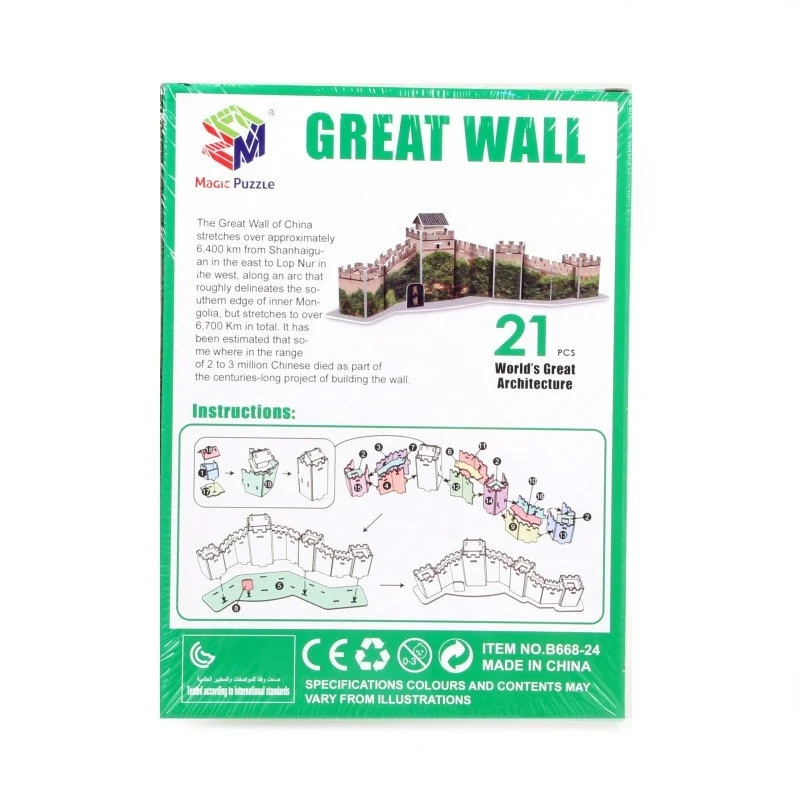
- World Famous Architecture 3D Puzzle: These puzzles replicate famous buildings from around the world. They often have intricate designs and precise measurements, making them quite difficult to assemble.
- 3D Wooden Ship Puzzle: Wooden puzzles can be especially challenging because the pieces are often thicker and less flexible. A wooden ship has a lot of curves and small parts, so you need to be extra careful.
2. Get Organized
Once you've chosen your puzzle, it's time to get organized. First, empty the box and sort the pieces. You can sort them by color, size, or shape. For example, if you're working on a sailboat puzzle, you might sort the sail pieces together, the hull pieces together, and the rope pieces separately.
Lay out a large, flat surface where you can work. A big table or the floor (if you have enough space) are good options. This gives you plenty of room to spread out the pieces and see what you're doing.
3. Read the Instructions
I know, reading instructions can be boring, but it's really important. The instructions usually come with a diagram or a step - by - step guide. They can tell you where to start, how certain pieces fit together, and what order to assemble the parts in.
Some puzzles might have special techniques or tricks that are explained in the instructions. For instance, a wooden puzzle might require you to sand the edges of the pieces a bit to make them fit better. Ignoring the instructions could lead to frustration later on.
4. Start with the Basics
Begin by looking for the base pieces of the puzzle. In a house puzzle, this would be the foundation. In an airplane, it could be the fuselage. Once you've found the base, start attaching the larger, more obvious pieces. This gives you a framework to build on.
For example, when assembling a sailboat, start with the hull. Then, attach the mast and the main sails. As you work, keep referring to the instructions and the diagram to make sure you're on the right track.
5. Be Patient and Take Breaks
Difficult 3D puzzles can be really frustrating at times. If you're stuck on a particular piece and can't figure out how it fits, don't get angry. Take a break, walk away for a little while, and come back with a fresh mind.
I've found that sometimes, just taking a short break and then looking at the puzzle from a different perspective can help me see how the pieces fit together. You could also try working on a different part of the puzzle for a while and then come back to the tricky bit.
6. Use Tools (If Necessary)
Some puzzles might require tools. For example, a wooden puzzle might need a small saw or sandpaper to trim the pieces to fit. If you're working on a puzzle with very small pieces, you might want to use a pair of tweezers to pick them up.
Make sure you use the right tools and use them safely. If you're not sure how to use a tool, look for instructions online or ask someone who has more experience.
7. Pay Attention to Details
Difficult 3D puzzles are all about the details. Notice the little markings, notches, or curves on the pieces. These are often clues that tell you how the pieces fit together.
For example, in a World Famous Architecture 3D Puzzle, the columns might have small grooves that match up with the beams. By paying close attention to these details, you can avoid making mistakes and save time in the long run.
8. Seek Help (If Needed)
If you're really struggling with a puzzle, don't be afraid to seek help. You could ask a friend or family member to give you a hand. There are also lots of online communities and forums where people share their experiences and tips on assembling 3D puzzles.
You might be able to find a video tutorial on YouTube that shows you how to assemble the specific puzzle you're working on. Watching someone else do it can give you some great insights.
Contact Us for More Puzzles
If you're into 3D puzzles and are looking to expand your collection, we've got you covered. As a 3D puzzles supplier, we offer a wide range of difficult and interesting puzzles. Whether you're a beginner looking for a challenge or an experienced puzzler in search of your next project, our puzzles are sure to keep you engaged.
Just get in touch with us to discuss your needs and start your next 3D puzzle adventure. We're here to help you find the perfect puzzle that suits your skill level and interests.
References
- Puzzle - making industry knowledge and experience from working as a 3D puzzles supplier.
- Online puzzle - related forums and communities for insights on problem - solving during puzzle assembly.