
When it comes to improving English, story books are an invaluable resource. As a story books supplier, I've had the privilege of exploring a wide range of titles that not only entertain but also enhance language skills. In this blog, I'll share some of the best story books that can help you or your children improve English.
Picture Books for Young Learners and Beginners
For young children and beginners, picture books are a great starting point. They use simple language and vivid illustrations to tell stories, making it easier for learners to understand and follow along.
One excellent option is the Fairy Tale Board Book. This book is filled with classic fairy tales such as Cinderella, Snow White, and The Three Little Pigs. The stories are retold in simple English, and the large, colorful illustrations capture children's attention. The board book format is also durable, perfect for little hands that might be a bit rough. Reading these well - known tales helps children learn basic vocabulary, sentence structures, and cultural references.
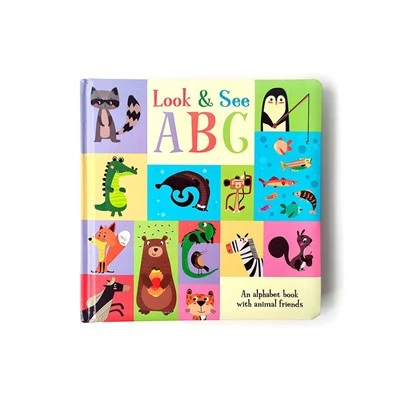
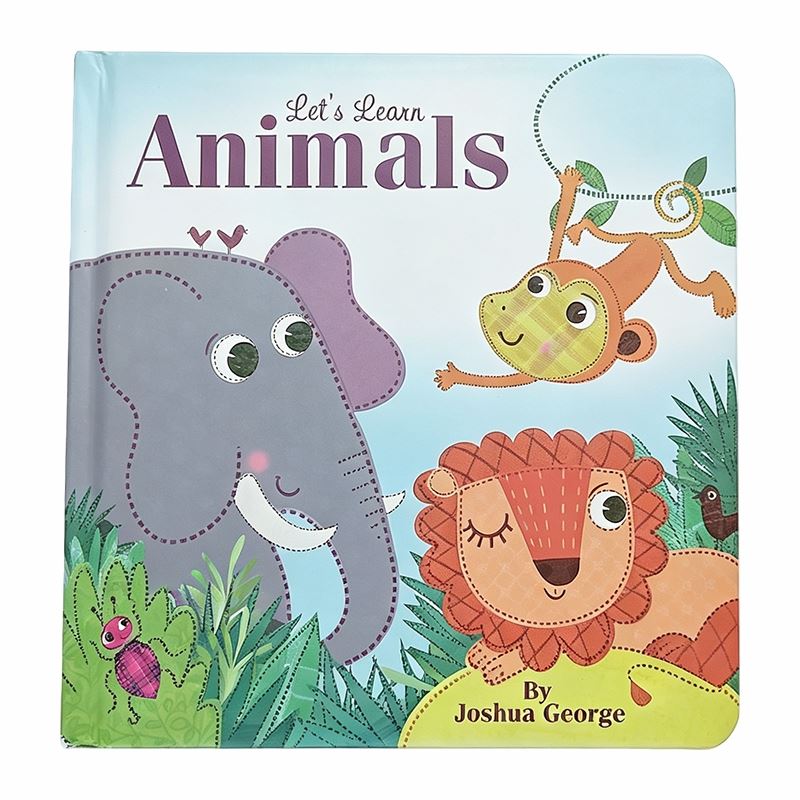
Another wonderful choice is the Animal Board Book. It features various animals, from lions and tigers to cute little rabbits. Each page has a short description of the animal, along with its name in English. The bright pictures of animals make learning fun, and children can easily associate the words with the real - life creatures. This book is ideal for teaching children animal names, colors, and simple adjectives.
Story Books for Intermediate Learners
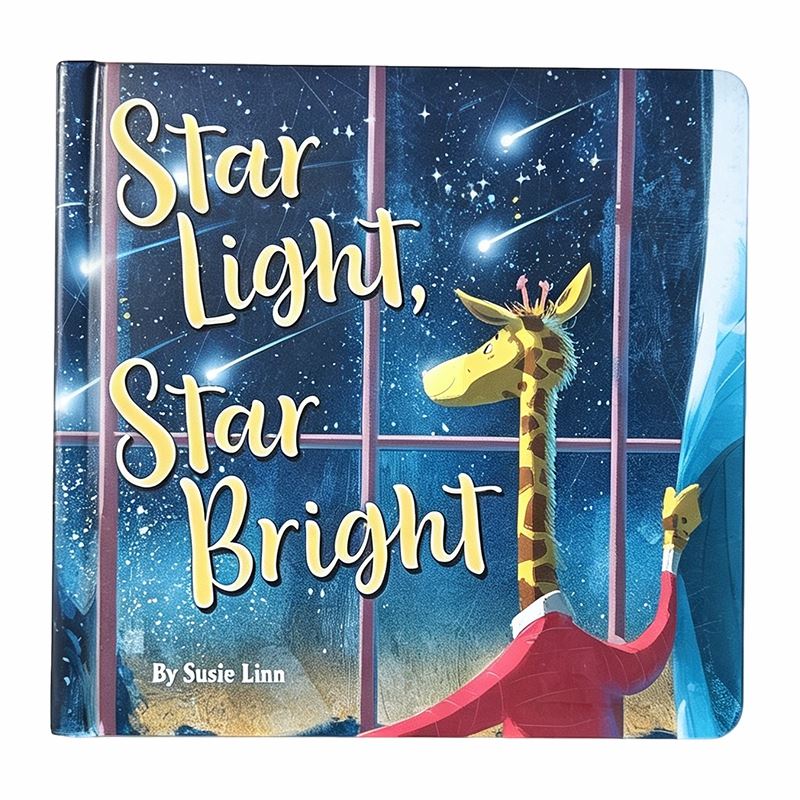
As learners progress to an intermediate level, they can handle more complex stories. The Children's Story Board Book is a great option. It contains a collection of short stories written specifically for children at this stage. The stories cover a wide range of themes, such as friendship, adventure, and problem - solving. The language used is more advanced than in picture books, with longer sentences and more diverse vocabulary. Reading these stories helps learners improve their comprehension skills, expand their vocabulary, and understand different narrative structures.
The Classic Animal Story Board Book is also a fantastic choice for intermediate learners. It features classic animal stories like The Tortoise and the Hare. These stories are not only engaging but also carry moral lessons. The language in these stories is a bit more sophisticated, with idiomatic expressions and figurative language. By reading these classic tales, learners can gain a deeper understanding of English language usage and cultural values.
Special - Theme Story Books
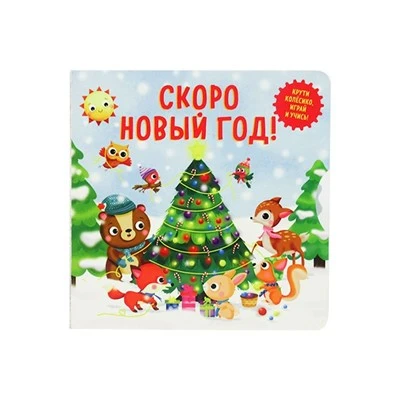
Special - theme story books can add an extra layer of interest to the learning process. The Christmas Children's Story Board Book is a perfect example. It is filled with Christmas - themed stories that are both educational and festive. The stories introduce learners to Christmas traditions, vocabulary related to the holiday, and the spirit of giving. Reading these stories during the Christmas season can make the learning experience more enjoyable and memorable.
Benefits of Using Story Books for English Learning
Story books offer numerous benefits for English learning. Firstly, they expose learners to a natural and varied use of language. In real - life conversations, people use different words, phrases, and sentence structures. Story books reflect this natural language use, helping learners become more familiar with how English is actually spoken and written.
Secondly, story books can improve reading comprehension. As learners follow the plot of a story, they need to understand the sequence of events, the characters' motivations, and the overall message. This helps them develop critical thinking skills and the ability to extract meaning from written text.
Thirdly, story books can expand vocabulary. Through reading, learners encounter new words in context, which makes it easier for them to remember and understand their meanings. They can also learn how to use these words in their own writing and speaking.
Finally, story books are a great source of cultural knowledge. Many stories are set in different countries or time periods, and they often reflect the values, traditions, and beliefs of the cultures they represent. By reading these stories, learners can gain a better understanding of the English - speaking world and its diverse cultures.
How to Choose the Right Story Book
When choosing a story book for English learning, there are several factors to consider. Firstly, consider the learner's age and English proficiency level. As mentioned earlier, younger children and beginners should start with picture books with simple language, while intermediate and advanced learners can handle more complex stories.
Secondly, think about the learner's interests. If a child is interested in animals, then an animal - themed story book would be a great choice. If someone is interested in history, then a historical story book might be more appealing. When learners are interested in the topic of the book, they are more likely to engage with the material and enjoy the learning process.
Thirdly, look for books with clear and easy - to - understand illustrations. Illustrations can help learners understand the story better, especially for those who are still developing their reading skills.
Why Choose Our Story Books
As a story books supplier, we take pride in offering high - quality story books that are not only educational but also engaging. Our books are carefully selected and designed to meet the needs of different learners. We work with experienced authors and illustrators to ensure that the stories are well - written and the illustrations are of the highest quality.
Our story books cover a wide range of themes and genres, from fairy tales to historical stories. Whether you are looking for a book to help a young child learn basic English or an intermediate learner to improve their skills, we have the right book for you.
If you are interested in purchasing our story books for personal use, in a classroom setting, or for any other purpose, we would love to hear from you. We can provide you with more information about our products, offer bulk purchase discounts, and answer any questions you may have. Contact us to start a procurement discussion and let us help you find the best story books for improving English.
References
- Krashen, S. D. (1989). We acquire vocabulary and spelling by reading: Additional evidence for the input hypothesis. The Reading Teacher, 43(2), 140 - 154.
- Nuttall, C. (2005). Teaching Reading Skills in a Foreign Language. Routledge.