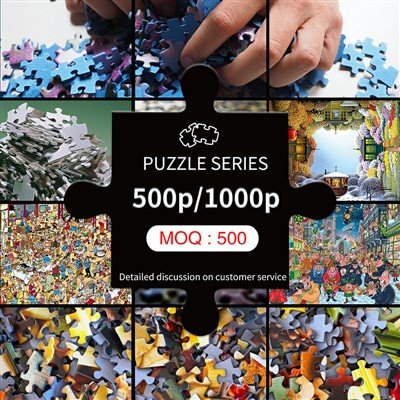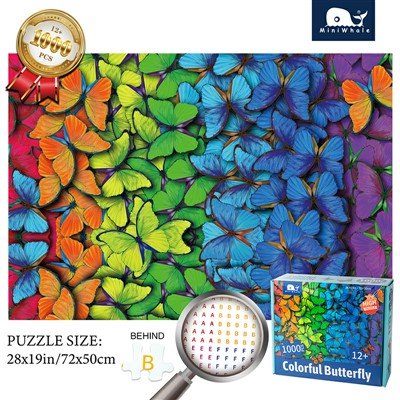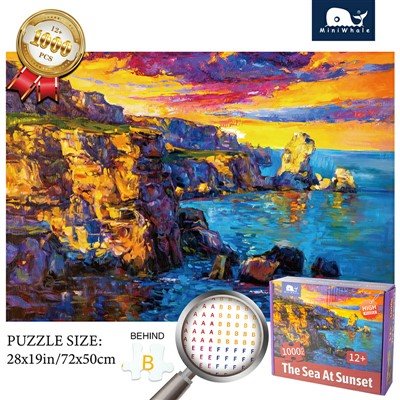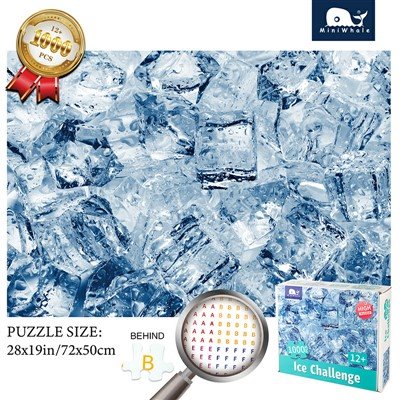
If you're sourcing puzzles for a business, you've probably hit this exact wall: paper or wood? On the surface, both are just puzzles. But once you start digging even a little, the gaps go way beyond the price tag. The material choice can mess with your target customers, shipping costs, profit margins, even your return rate.
This guide skips the technical talk. Instead, I'll walk through the main points from a buyer's angle so you can decide faster and with less headache.
First, a quick intro to both materials

Paper Puzzles: The Everyday Workhorse
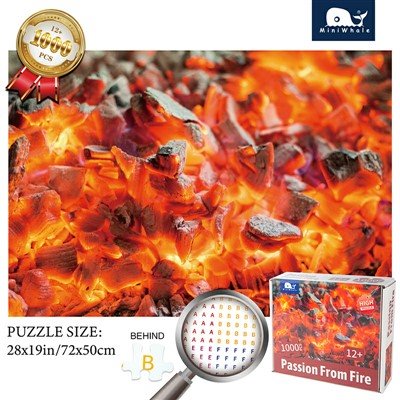
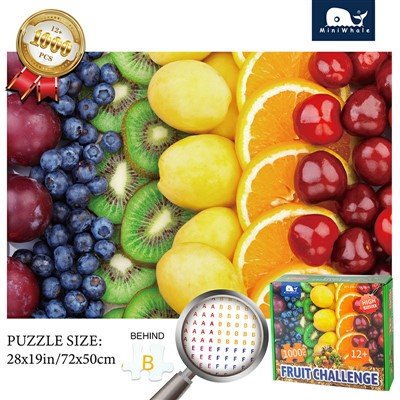
This is the classic puzzle most people picture. Made mostly from grey board or white-lined chipboard, paper puzzles get printed with bright, colorful artwork and can show big, detailed scenes. Each piece is usually around 1.5mm to 2.5mm thick.
For buyers, the main wins are obvious: low unit cost, fast production, easy to scale up. If you need volume, paper is really hard to beat.
Wooden Puzzles: The Premium Differentiator
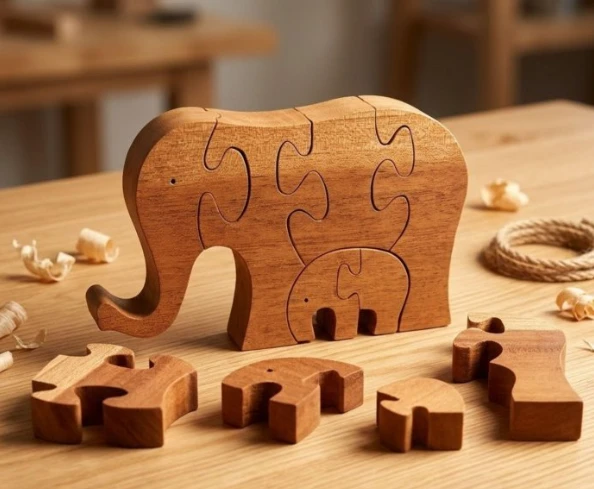
Wooden puzzles are usually made from lighter woods like basswood or poplar, cut by laser for precision. Pieces are thicker - often 3mm to 5mm - which gives that solid, quality feel in your hand. Because they're laser-cut, you can do special shapes, custom names or logos, 3D stuff, even multi-layer designs.
Wooden puzzles cost more per unit, sure. But they also tend to leave a stronger impression. That often turns into better customer loyalty and repeat purchases.
5 things buyers actually care about
1. Cost and Minimum Order Quantity (MOQ)
Paper puzzles have a lower per-unit cost and usually offer more flexible minimum order quantities for printing. That makes them a safer bet if your budget is tight or it's your first order.
Wooden puzzles involve higher material and processing costs. If you want custom shapes or detailed designs, the MOQ might also go up.
Quick tip: Don't compare unit price alone. Ask the supplier about sample fees and mass production MOQs right away. A low unit price paired with a high sample fee can surprise you later.
2. Target Customers and Product Positioning
Paper puzzles work fine for price-sensitive buyers, promotional giveaways, basic kids puzzles, and large scenic or art designs.
Wooden puzzles really shine in high-end gifting, educational institutions, parent-child brands, corporate customization, and collectible products.
The real question is: are your end customers looking for "cheap and cheerful" or "something a bit special"? That answer will point you to the right material.
3. Customization Flexibility
With paper puzzles, printing custom artwork is easy, but the puzzle piece shapes are usually limited by standard cutting dies. You'll mostly get classic interlocking pieces.
Wooden puzzles, on the other hand, are cut by laser. That means you can design almost any shape - names, logos, weird outlines, even layered or 3D structures. If you handle corporate or personalized orders, wooden puzzles often let you charge a higher premium.
4. Durability and User Experience
Paper puzzles can be sensitive to moisture, and edges might wear down over time. After several assemblies, the fit between pieces can loosen.
Wooden puzzles are much more durable. They resist bending, feel substantial in hand, and can be taken apart and rebuilt many times. Lots of customers also keep them as keepsakes or decor.
One caution: Always check wooden samples for rough edges or poor finishing. Laser cutting can leave burrs if quality control isn't careful.
5. Shipping and Storage Costs
Paper puzzles are lightweight and compact, which makes them ideal for international shipping and e-commerce small parcels.
Wooden puzzles are heavier. They may need extra padding in packaging to avoid pressure damage, though they generally handle transport well.
Reminder: When calculating total cost, include freight (both first-mile and last-mile) and possible damage rates. A cheap product that arrives damaged will cost you more in returns.
Recommendations for different buying scenarios
Promotional Gifts or Event Giveaways
Go with paper. Low cost, fast delivery, easy printing of marketing messages. If the budget allows, consider small wooden keychain puzzles as a premium upgrade option.
Children's Education or Parent-Child Products
Wood has the edge here. It's durable, can be made with safe rounded edges, and works well for cognitive or shape-recognition puzzles. If you prefer paper, look for thick board, lamination, and soy-based ink to support an "eco-friendly and safe" selling point.
High-End Corporate Gifts or Brand Souvenirs
Wood communicates quality better. You can customize the puzzle into a company logo shape, a milestone graphic, or a 3D structure. Paper puzzles can still work as a lower-cost insert or as an interactive element inside a gift box.
E-Commerce or DTC Retail
A combination strategy often works best. Use paper puzzles as entry-level traffic drivers, then offer wooden puzzles as premium or higher-margin products. For example, release the same artwork in a standard paper version and a collectible wooden version, then test market response.
Common buying mistakes to avoid
Focusing only on unit price. Wood may cost more per piece, but it often survives shipping better. Paper is cheaper, but humidity during transit can increase returns. Always factor in logistics and replacement costs.
Assuming wood is always eco-friendly. Check the wood source, adhesives, and coatings. If you export to Europe or North America, confirm any required certifications before placing large orders.
Thinking paper equals low-end. Thicker board, matte lamination, premium packaging - these details can make paper puzzles feel far more upscale than basic versions.
Chasing the lowest MOQ without thinking ahead. A low minimum order may come with a high unit price or limited customization. Balance MOQ against your sales forecast and long-term plans.
Final thoughts: no perfect material, only the right match
Paper puzzles are great for volume, mass-market appeal, and tight budgets. Wooden puzzles are better for differentiation, higher price points, and products that emphasize texture or customization.
The safest approach? First, clearly define your end customer and sales channel. Then ask your supplier for samples of both materials. Compare them in person - touch the pieces, test the fit, check the printing or laser-cut quality. After that, you'll know exactly which direction to take for your bulk order.
At the end of the day, the best puzzle is the one that fits your market. Choose the material that matches your business goals, not just the one with the lowest price tag.