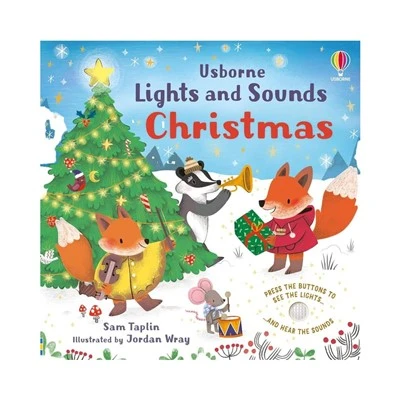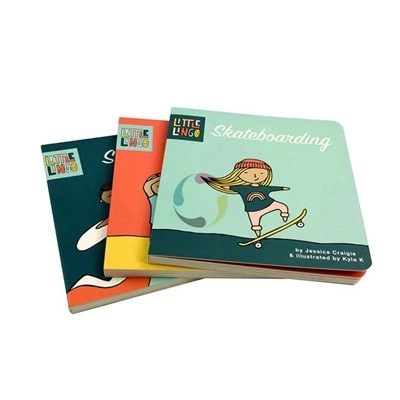

Yo, parents and educators! As a children's books supplier, I'm super stoked to talk about bilingual children's books. These books are like little treasure chests, packed with language learning opportunities and fun stories that can help kids grow into fluent bilingual speakers.
Why Bilingual Children's Books Rock
First off, let me tell you why bilingual children's books are so great. Learning a second language from a young age has been proven to boost cognitive development. It helps kids think more flexibly, solve problems better, and even improves their memory. Bilingual books make this learning process a whole lot more enjoyable. Instead of boring language lessons, kids get to dive into colorful stories, meet interesting characters, and explore new worlds while picking up a new language.
Plus, reading bilingual books can also enhance a child's cultural awareness. They get to learn about different traditions, customs, and ways of life from around the world. It broadens their horizons and makes them more empathetic and understanding individuals.
Types of Bilingual Children's Books
There are all sorts of bilingual children's books out there, each with its own unique features and benefits. Let's take a look at some of the most popular types:
Story Books
Story books are a classic choice for kids of all ages. They usually tell a narrative, whether it's a fairy tale, a adventure story, or a simple everyday tale. Bilingual story books often present the text in two languages side by side or on alternating pages. This makes it easy for kids to follow along and compare the translations.
One of my personal favorites is the Classic Animal Story Board Book. It's got cute animal characters and a fun story that keeps kids engaged. The bilingual format allows them to learn new words and phrases while enjoying the story.
Interactive Books
Interactive books are a hit with young kids because they involve hands-on activities. They might have lift-the-flap elements, pop-ups, or touch-and-feel textures. Bilingual interactive books combine the fun of interactivity with language learning.
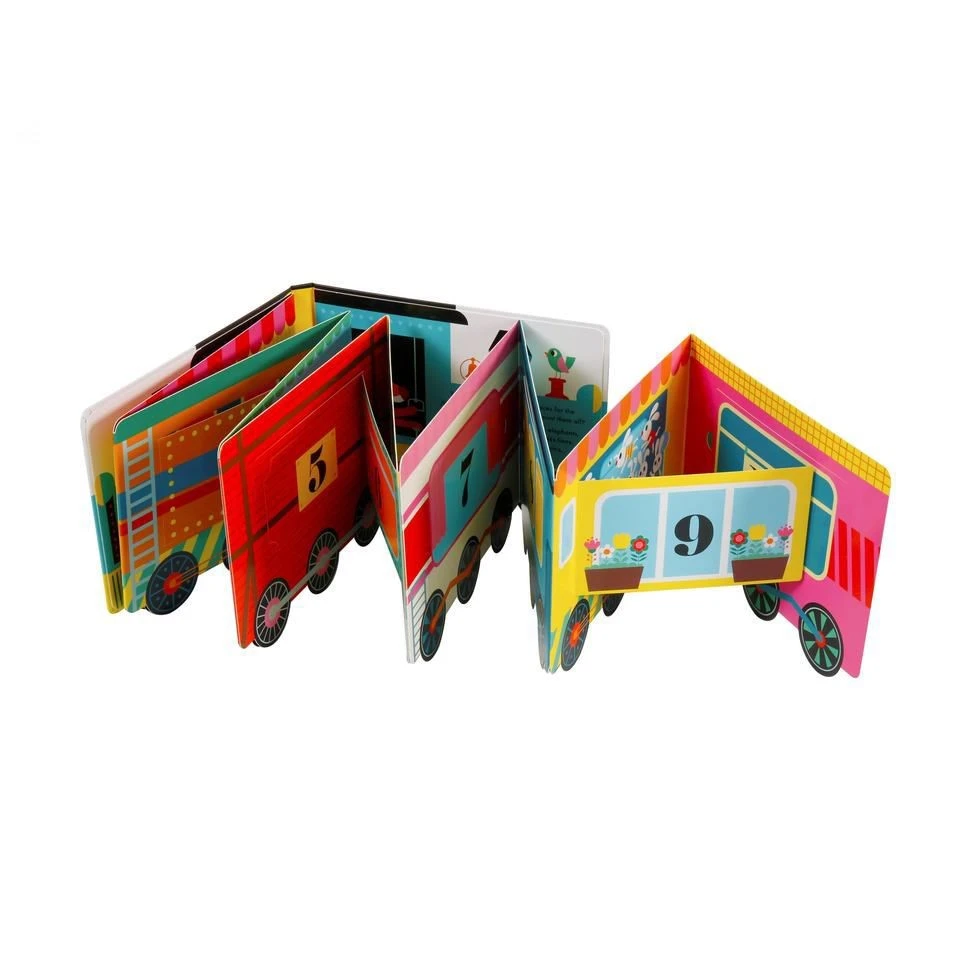
The Number Train Interactive Lift Flap Board Book is a great example. Kids can lift the flaps to discover numbers and learn their names in two languages. It's a playful way to introduce them to basic math concepts and language skills at the same time.
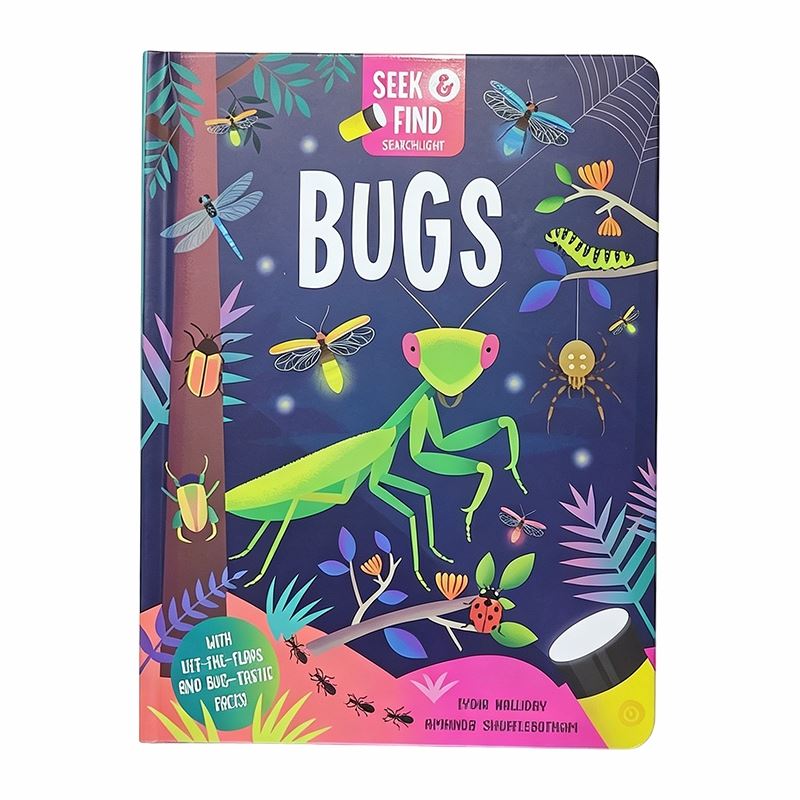
Another cool interactive book is the Magic Torch Board Book. It uses a special torch to reveal hidden images and words. This adds an element of mystery and excitement to the learning process.
Specialty Books
There are also some specialty bilingual children's books that focus on specific skills or themes. For example, sensory books are designed to stimulate kids' senses. They might have different textures to touch, scents to smell, or sounds to hear.
The Touch Feel Sensory Board Book is a great sensory book. It has various textures like fur, feathers, and sandpaper, which helps kids learn about different materials while also picking up new words in two languages.
Finger and hand books are another type of specialty book. They encourage kids to use their fingers and hands to interact with the book. The Finger Hand Board Book is a fun one. Kids can move their fingers along the pages to follow the story and learn new words related to body parts.
Tips for Using Bilingual Children's Books
Now that you know about the different types of bilingual children's books, here are some tips on how to make the most of them:
- Read aloud: Reading aloud is one of the best ways to help kids learn a new language. It allows them to hear the correct pronunciation and rhythm of the language. Make sure to read with enthusiasm and use different voices for the characters.
- Ask questions: While reading, ask your kids questions about the story. This helps them understand the plot and also encourages them to think in the target language.
- Act out the story: Turn the story into a mini-play! Have your kids act out the characters and dialogues. This makes the learning process more interactive and memorable.
- Make it a routine: Set aside a specific time each day for reading bilingual books. This helps create a habit and makes learning a regular part of your child's life.
Where to Find Bilingual Children's Books
As a children's books supplier, I've got a wide range of bilingual children's books in stock. Whether you're looking for story books, interactive books, or specialty books, I've got you covered. And if you can't find what you're looking for, just let me know, and I'll do my best to source it for you.
If you're interested in purchasing bilingual children's books for your home, school, or library, don't hesitate to reach out. We can discuss your specific needs, quantity requirements, and pricing. Let's work together to provide the best learning resources for our kids!
References
- "The Benefits of Bilingualism in Children." Psychology Today.
- "How Interactive Books Can Boost Children's Learning." Education Week.