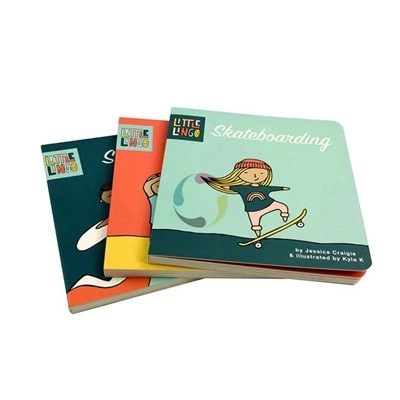

As a dedicated supplier of kids' story board books, I've often delved deep into the heart of these colorful and engaging creations. One question that frequently surfaces is whether kids' story board books have a moral lesson. In this blog, we'll explore this topic in detail and examine how these delightful books can impart valuable lessons to young minds.
The Power of Storytelling in Moral Education
Storytelling has been a cornerstone of human culture for millennia. From ancient fables passed down through generations to modern children's stories, tales have a unique way of conveying moral and ethical values. Kids' story board books are no exception. With their vivid illustrations and simple narratives, they are perfectly tailored to capture the attention of young children and engage them in a way that is both fun and educational.
How Board Books Capture Young Minds
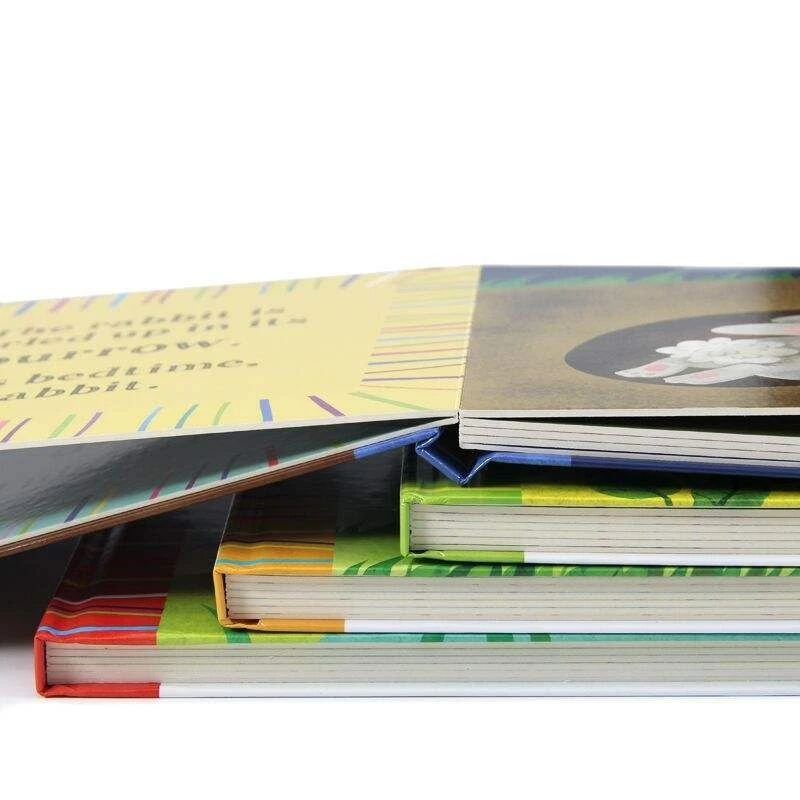
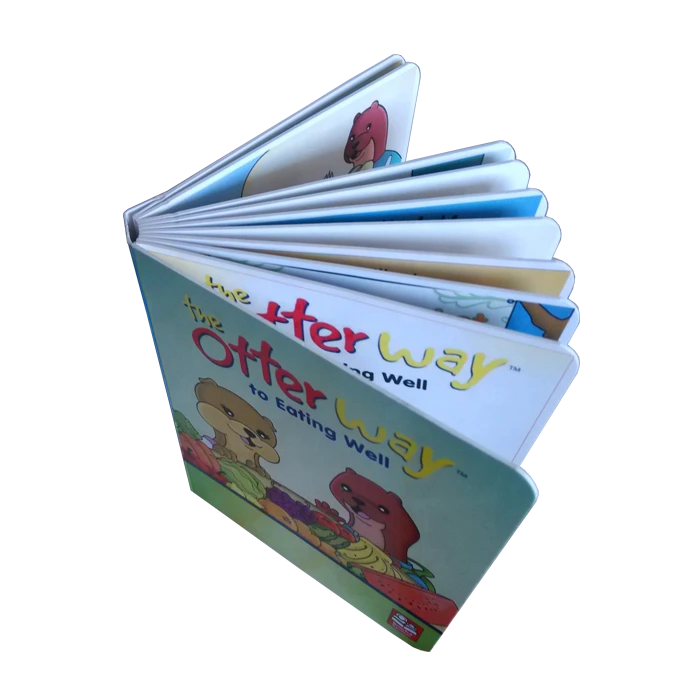
Board books are designed with toddlers and young children in mind. Their thick, sturdy pages are easy for little hands to turn, and the bright colors and large pictures draw children in. This tactile and visual appeal makes it easier for children to engage with the story and absorb the information it contains.
The Role of Repetition in Moral Learning
Many kids' story board books use repetition to reinforce key concepts. This repetition helps children remember the story and the moral lesson it conveys. For example, a story about sharing might repeatedly show characters sharing their toys and experiencing positive outcomes as a result. Over time, children learn that sharing is a good and rewarding behavior.
Moral Lessons in Different Types of Board Books
Let's take a closer look at some common types of kids' story board books and the moral lessons they often contain.
Animal Fairy Tale Board Book
Animal fairy tales are a popular genre in kids' story board books. These stories often feature anthropomorphic animals that face various challenges and learn important lessons along the way. For example, a story might tell of a rabbit who is too greedy and hoards all the carrots. As a result, he misses out on the joy of sharing with his friends and eventually realizes the importance of generosity.
Christmas Children's Story Board Book
Christmas-themed board books are another great way to teach moral lessons. These books often focus on the spirit of giving, kindness, and the importance of family and community during the holiday season. A story might follow a young child who is initially more interested in receiving presents but then learns the true meaning of Christmas by helping others.
Fairy Tale Board Book
Traditional fairy tales have long been used to teach moral values. Board book versions of these stories, such as Cinderella or The Three Little Pigs, can introduce children to concepts like kindness, hard work, and the consequences of one's actions. For instance, Cinderella's kindness and perseverance are rewarded, while the lazy and unkind stepsisters face the consequences of their behavior.
Animal Board Book
Animal board books not only teach children about different animals but can also convey moral lessons. A story about a brave little mouse who helps his friends in danger can teach children about courage and friendship. These books can also help children develop empathy for animals and the natural world.
Children's Story Board Book
General children's story board books cover a wide range of topics and can teach various moral lessons. They might focus on themes such as honesty, respect, and responsibility. A story about a child who accidentally breaks a toy and then decides to tell the truth about it can help children understand the importance of honesty.
The Impact of Moral Lessons in Board Books
The moral lessons in kids' story board books can have a profound impact on a child's development.
Shaping Character and Values
Exposure to moral stories at a young age can help shape a child's character and values. By learning about positive behaviors such as kindness, sharing, and honesty, children are more likely to adopt these behaviors in their own lives. These early lessons can lay a solid foundation for ethical decision-making in the future.
Enhancing Emotional Intelligence
Board books can also help children develop emotional intelligence. As they follow the characters' experiences in the stories, children learn to recognize and understand different emotions. For example, they might see a character feeling sad after being unkind and then learn that their actions can have an impact on others' feelings.
Improving Social Skills
Moral lessons in board books often revolve around social interactions. By reading about characters who work together, solve problems, and resolve conflicts, children can learn valuable social skills. These skills include communication, cooperation, and empathy, which are essential for building healthy relationships with others.
The Supplier's Perspective
As a supplier of kids' story board books, I understand the importance of providing high-quality books that not only entertain but also educate. We carefully select the stories and illustrations for our books to ensure that they are age-appropriate and convey positive moral messages.
Quality and Safety
We prioritize the quality and safety of our board books. The pages are made from durable materials that can withstand the rough handling of young children. The inks used are non-toxic, ensuring that they are safe for children to touch and even chew on.
Diverse Selection
We offer a diverse selection of board books to cater to different interests and learning needs. Whether a child is interested in animals, fairy tales, or holiday-themed stories, we have a book that they will enjoy. Our goal is to provide a wide range of options so that children can find stories that resonate with them.
Continuous Improvement
We are constantly looking for ways to improve our offerings. We conduct market research to understand the latest trends and preferences in children's literature. We also listen to feedback from parents, teachers, and children to ensure that our books meet their expectations.
Encouraging Engagement with Board Books
To maximize the impact of the moral lessons in our board books, it's important to encourage children to engage with the stories actively.
Reading Aloud
Reading aloud to children is a great way to engage them with the story. It allows them to hear the words, follow the rhythm of the text, and connect with the characters. Parents and teachers can also ask questions about the story to encourage children to think critically and understand the moral lesson.
Group Readings
Group readings in classrooms or libraries can also be beneficial. Children can discuss the story with their peers, share their thoughts and feelings, and learn from each other's perspectives. This collaborative learning environment can enhance the understanding and retention of the moral lesson.
Role-Playing
Role-playing the story can make it even more engaging for children. They can act out the characters' roles, reenact the events of the story, and experience the moral lesson firsthand. This hands-on approach can help children internalize the lesson and apply it in real-life situations.
Conclusion
In conclusion, kids' story board books do indeed have a moral lesson. Through their engaging stories, vivid illustrations, and simple narratives, these books can impart valuable moral and ethical values to young children. As a supplier of these books, we are committed to providing high-quality products that not only entertain but also educate.
If you're interested in purchasing our kids' story board books for a school, library, or personal use, we'd love to hear from you. Contact us to discuss your requirements and explore our diverse selection of board books.
References
- Heath, S. B. (1983). Ways with words: Language, life, and work in communities and classrooms. Cambridge University Press.
- Vygotsky, L. S. (1978). Mind in society: The development of higher psychological processes. Harvard University Press.
- Zygmunt-Fillwalk, M. (2005). The role of picture books in children's moral development. Early Childhood Education Journal, 32(4), 253-260.