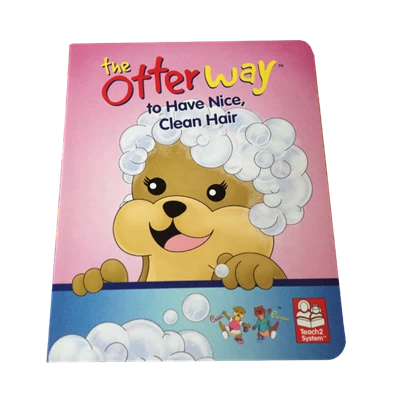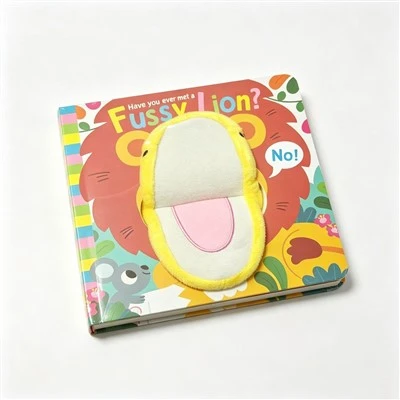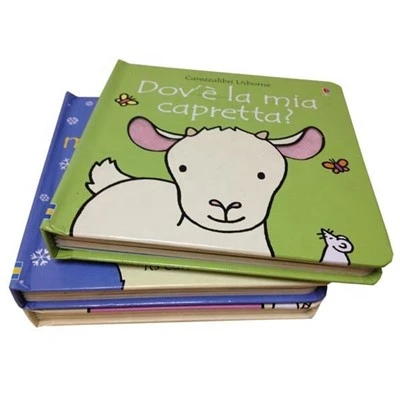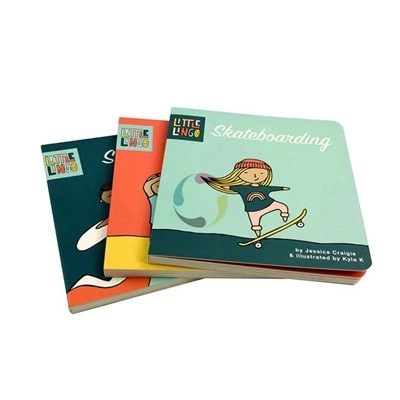

Making a Kid's Story Board Book is a creative and rewarding process that combines storytelling, illustration, and craftsmanship. As a seasoned supplier of high - quality Kid's Story Board Book, I'm excited to share with you the essential materials required for this engaging project.
1. Paper Material
The choice of paper is crucial as it directly affects the durability and feel of the story board book. For kids' books, we need to consider the rough handling they might endure.
Board Paper
Board paper is the cornerstone of a story board book. It is thick and sturdy, which can withstand the pulling, tearing, and chewing that kids are prone to. A common thickness for board paper used in children's books is around 2 - 3mm. This thickness provides enough rigidity to keep the pages from bending easily. For instance, if you're creating an Animal Fairy Tale Board Book, the board paper will ensure that the colorful animal illustrations stay intact even after multiple readings.
Coated Paper
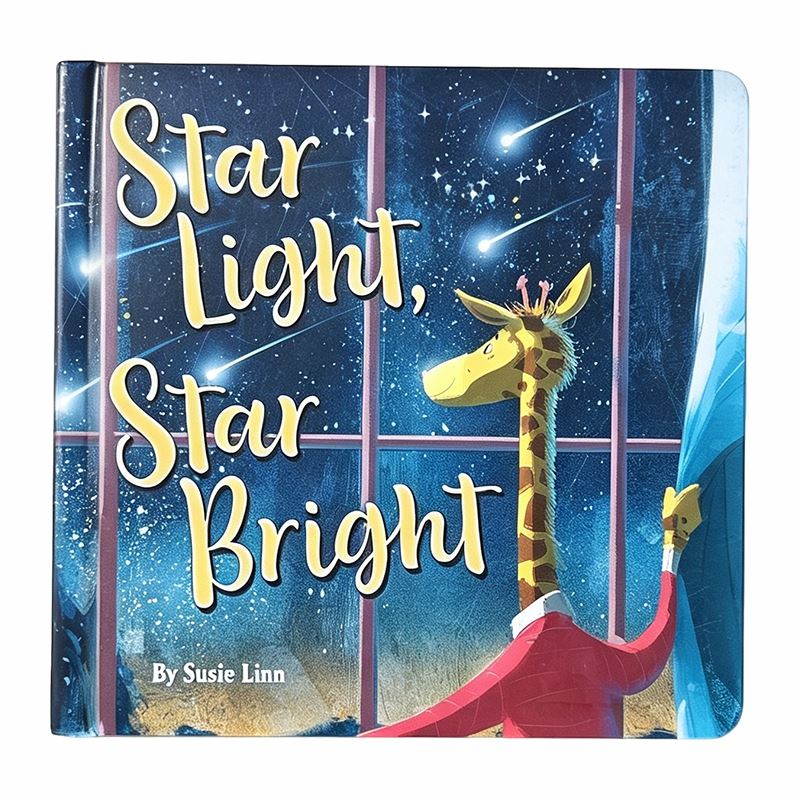
Coated paper is often used for the cover and the interior pages of the book. It has a smooth surface that allows for high - quality printing. The coating can be either gloss or matte. Gloss coated paper gives a shiny, vibrant look to the images, making the colors pop. This is great for attracting kids' attention, especially for story books with bright and vivid illustrations like Fairy Tale Board Book. On the other hand, matte coated paper has a more subdued finish, which can be better for books with a more delicate or classic style of illustration.
2. Printing Ink
The printing ink used in a kid's story board book must be safe and non - toxic. Since kids may put the book in their mouths, using ink that meets safety standards is a must.
Water - based Inks
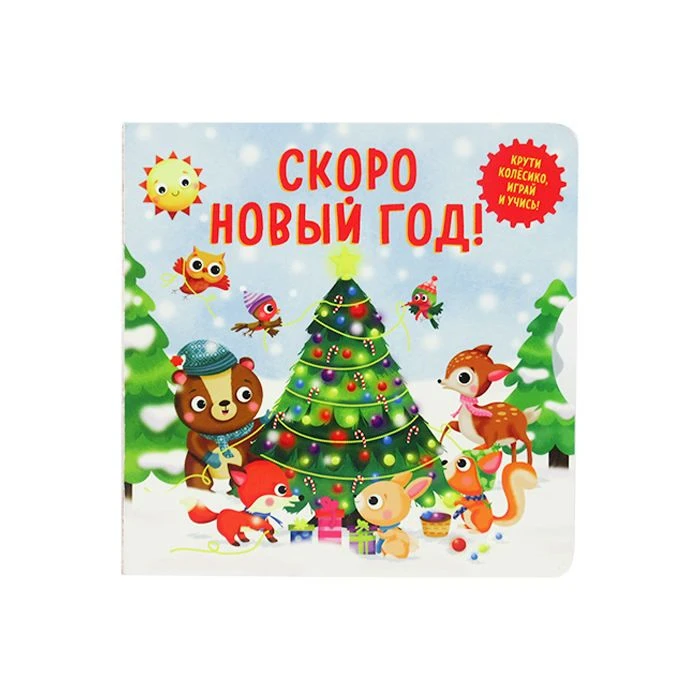
Water - based inks are a popular choice for children's books. They are environmentally friendly and have low levels of volatile organic compounds (VOCs). These inks dry quickly and can produce a wide range of colors. They also adhere well to the paper, ensuring that the illustrations are clear and long - lasting. For example, when printing a Christmas Children's Story Board Book, water - based inks can create the festive reds, greens, and golds that are characteristic of the holiday season.
Soy - based Inks
Soy - based inks are another excellent option. They are made from soybean oil and are biodegradable. These inks offer good color saturation and are easy to recycle. They are also less likely to cause allergic reactions in children, which makes them a safe choice for kids' books.
3. Binding Materials
Proper binding is essential to keep the pages of the story board book together. There are several binding methods, each requiring different materials.
Glue
For perfect binding, a strong and flexible glue is needed. PVA (polyvinyl acetate) glue is a common choice. It dries clear and has good adhesion properties. It can hold the pages firmly together without making the book too stiff. When creating a Children's Story Board Book, perfect binding with PVA glue can give the book a professional and polished look.
Thread
For saddle - stitched books, thread is used. The thread should be strong enough to withstand the pulling and tugging that the book may experience. Cotton or polyester thread is often used. Saddle - stitching is a simple and cost - effective binding method, suitable for smaller story board books with fewer pages.
4. Illustration Materials (if creating original illustrations)
If you're planning to create your own illustrations for the story board book, you'll need a variety of materials.
Pencils
Graphite pencils are essential for sketching out the initial ideas. Different hardness levels, such as 2B, 4B, and 6B, can be used to create different shades of gray. A 2H or HB pencil is good for light sketching, while a 4B or 6B pencil can be used for darker, more detailed areas.
Colored Pencils
Colored pencils are a great way to add color to the illustrations. They offer a high level of control and can create detailed and realistic images. You can choose from a wide range of colors to bring your story to life.
Watercolor Paints
Watercolor paints can create a soft and delicate look for the illustrations. They are easy to use and can be blended to create different colors and effects. Watercolor is a popular choice for creating a dreamy or magical atmosphere in a fairy - tale story book.
5. Cutting and Finishing Materials
To give the story board book a professional finish, you'll need some cutting and finishing materials.
Paper Cutter
A sharp paper cutter is necessary to cut the paper to the correct size. A guillotine paper cutter can provide a clean and precise cut. It is important to use a sharp blade to avoid frayed edges on the pages.
Ruler
A ruler is used to measure and mark the paper before cutting. A metal ruler is more durable and provides a straight edge for accurate cutting.
Laminator (optional)
If you want to add an extra layer of protection to the book, a laminator can be used. Laminating the pages can make them more resistant to spills and stains. However, it may also add some thickness to the book, so it should be used judiciously.
As a supplier with years of experience in the industry, we understand the importance of using high - quality materials to create engaging and durable Kid's Story Board Books. We source our materials from trusted suppliers and ensure that they meet all safety standards. If you're interested in purchasing our Kid's Story Board Books or have any questions about the materials and production process, we'd love to hear from you. Feel free to reach out and start a conversation about your procurement needs.
References
- "The Art of Children's Book Illustration" by Mary GrandPré
- "Printing Techniques for Beginners" by John Smith
- "Binding Basics: A Guide to Book Binding" by Emily Brown