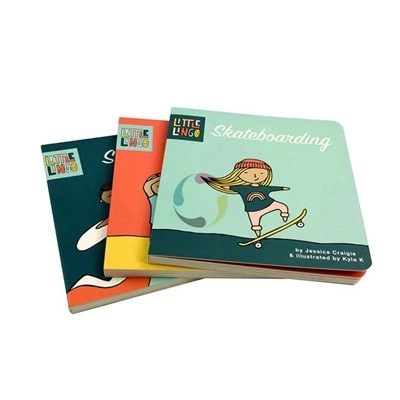

Introducing a Slide Board Book to a child can be an incredibly rewarding experience, both for the child and the adult guiding them through the exploratory journey. As a Slide Board Book supplier, I've witnessed firsthand the magic that unfolds when a child first interacts with these unique books. In this blog, I'll share insights on how to effectively introduce a Slide Board Book to a child, highlighting its benefits and engaging features.
Understanding the Appeal of Slide Board Books
Slide Board Books are a captivating form of children's literature that combines the tactile experience of sliding elements with the visual delight of stories. Unlike traditional books, these interactive books invite children to actively participate in the storytelling process by sliding tabs, revealing hidden images, and engaging in a hands - on exploration. This interactivity not only captures a child's attention but also enhances their cognitive development, fine motor skills, and imagination.
From a young age, children are naturally curious and eager to explore the world around them. Slide Board Books provide a safe and engaging way for them to satisfy this curiosity. As they manipulate the sliding elements, they learn about cause - and - effect relationships, understand spatial concepts, and develop a sense of control over their environment.
Preparing for the Introduction
Before introducing the Slide Board Book to a child, it's important to create a comfortable and inviting reading environment. Find a quiet space where you and the child can sit together without distractions. Gather any other materials you might want to use, such as small toys or props related to the book's theme.
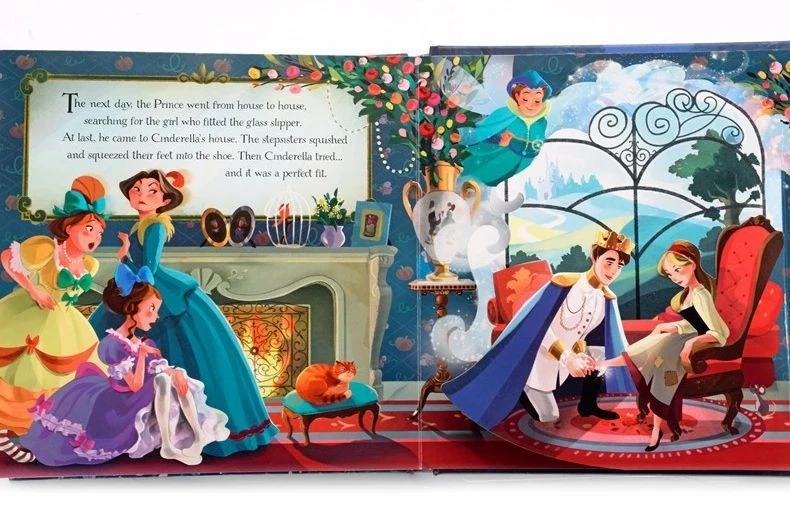
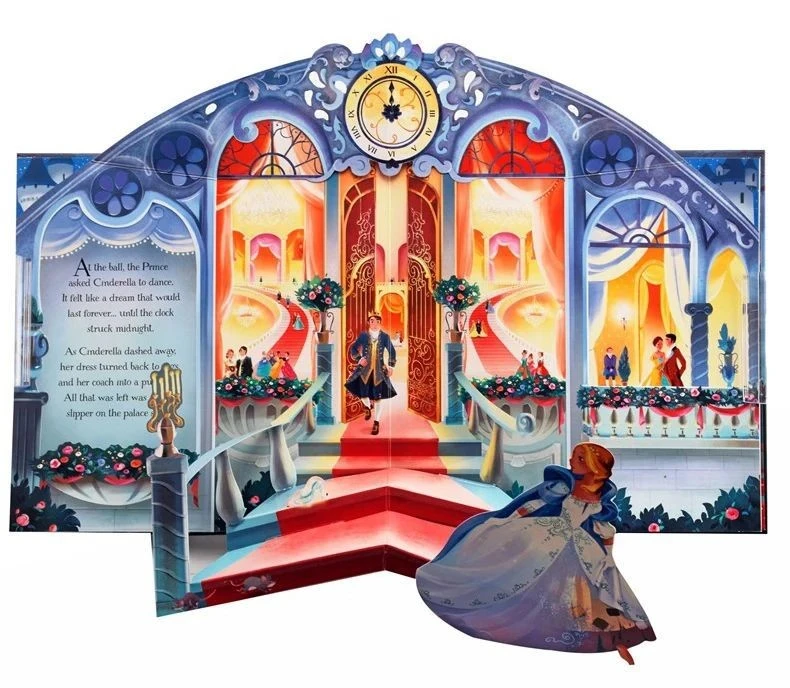
Take a few moments to familiarize yourself with the book. Study the story, the sliding elements, and any additional details or surprises hidden within the pages. This will help you feel more confident when guiding the child through the book and answering any questions they might have.
The First Encounter
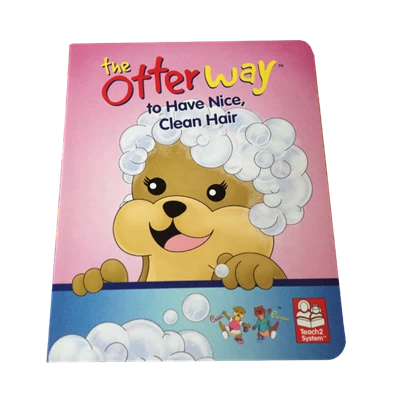
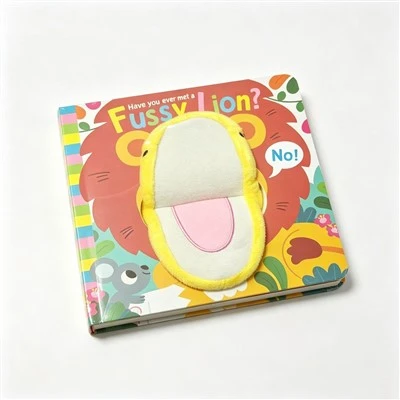
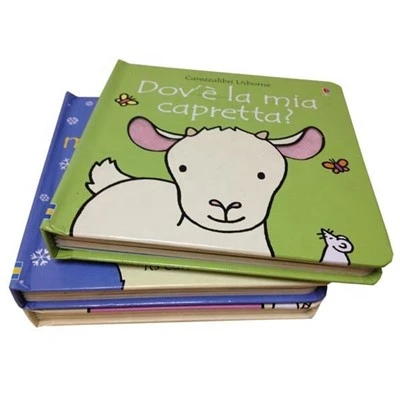
When presenting the Slide Board Book to the child, start by generating excitement. Hold the book up and showcase its colorful cover. Point out any interesting pictures or characters and ask the child what they think the book might be about. This simple act of involving the child in the process can make them more eager to begin the reading experience.
Then, slowly open the book to the first page. As you do so, use an enthusiastic and animated voice to describe what you see. For example, if the first page shows a forest scene and a sliding element with a moving animal, you could say, "Look! There's a beautiful forest! Let's see what kind of animal is hiding in there."
Guiding the Interaction
Once the child shows interest in the page, gently guide their hand to the sliding element. Demonstrate how to use it slowly and smoothly. As the child begins to slide the tab, make sure to use positive reinforcement. Say things like, "Great job! Look how the animal moves through the forest!"
As you continue through the book, pause after each slide to allow the child to soak in the new image and process what they've just discovered. Ask open - ended questions to encourage their thinking. For instance, "Why do you think the animal is running?" or "What else do you think could be in the forest?"
Incorporating other sensory elements can also enhance the experience. You could make sound effects related to the story, such as mimicking the rustling of leaves or the chirping of birds. This multisensory approach can make the story even more memorable for the child.
Comparing with Other Types of Board Books
While Slide Board Books have their unique charm, it's also worth making children (and their parents) aware of other types of board books we offer. For example, we have Sports Board Book, which is a great option for kids interested in different sports. The vivid illustrations and simple text make it a fun way for children to learn about various athletic activities.
If your child loves a bit of surprise, Lift‑the‑Flap Board Book is an excellent choice. These books have flaps that children can lift to uncover hidden images, adding an extra layer of excitement to the reading process.
Our 3D Pop - up Board Book takes the visual experience to a whole new level. The three - dimensional elements come out of the page, creating a truly immersive storytelling environment that kids find incredibly captivating.
For those who have a soft spot for animals, the Animal Stories Board Book is a must - have. It features charming tales about different animals, with beautiful illustrations that bring the stories to life.
Benefits of Slide Board Books for Child Development
The benefits of Slide Board Books extend beyond simple entertainment. They play a significant role in a child's cognitive development. As children slide the elements, they are practicing their hand - eye coordination. The precise movements required to operate the sliding tabs help strengthen their fine motor skills, which are essential for tasks such as writing and buttoning clothes later in life.
These books also enhance a child's language development. As they engage with the story, they are exposed to new words and phrases. The interactive nature of the book encourages them to ask questions, make observations, and express their thoughts, all of which contribute to the growth of their vocabulary and communication skills.
Imagination is another area that gets a boost from Slide Board Books. The open - ended nature of the stories and the visual stimuli provided by the sliding images allow children to create their own narratives and scenarios. This imaginative play is crucial for their creativity and problem - solving abilities.
Nurturing a Love for Reading
Introducing a Slide Board Book is not just about one reading session; it's about cultivating a lifelong love for reading. Make reading a regular part of the child's routine. Set aside dedicated time each day for reading, and make it a fun and enjoyable activity.
As the child grows more familiar with the Slide Board Book, encourage them to "read" the book on their own. They can practice telling the story to a stuffed animal or a younger sibling. This not only reinforces their understanding of the story but also builds their confidence.
Encouraging Further Exploration
After the child has finished reading the Slide Board Book, you can encourage them to explore more related materials. You could visit the library to find other books on the same theme or look for online resources, such as videos or games.
If possible, you can also engage in related activities. For example, if the Slide Board Book was about the ocean, you could take the child to an aquarium or go to the beach. This hands - on experience can deepen their understanding of the subject matter and make the reading experience even more meaningful.
Reaching Out for More
If you're interested in purchasing Slide Board Books for your child, or if you're a retailer looking to stock our products, we welcome you to contact us for more information. We offer a wide range of high - quality Slide Board Books, along with other specialty board books like Sports Board Book, Lift‑the‑Flap Board Book, 3D Pop - up Board Book, and Animal Stories Board Book. Explore our full catalog at Slide Board Book to discover the perfect books for the children in your life.
References
- Snow, C. E., Burns, M. S., & Griffin, P. (1998). Preventing reading difficulties in young children. National Academy Press.
- Zimmerman, F. J., & Christakis, D. A. (2007). Associations between content types of early media exposure and subsequent attentional problems. Pediatrics, 120(5), 986 - 992.
- Weisberg, D. S., Hirsh - Pasek, K., & Golinkoff, R. M. (2013). The importance of play in a digital age. Child Development Perspectives, 7(4), 234 - 239.